
Preparing for A-Level exams can be daunting, but with the right approach, you can stay organized, focused, and confident. This comprehensive guide is designed to give you a head start on A-Level success by covering essential study tips, month-by-month preparation milestones, and resources to maximize your performance. Whether you’re taking your exams in 2025 or 2026, these strategies will set you on the right path.
A-Level Exam Preparation: A Practical Roadmap to Success
Effective Study Strategies for 2025 A-Level Success
An organized and adaptable approach to A-Level preparation can help you stay focused and confident without feeling overwhelmed. Here’s a step-by-step guide to ensure you’re fully prepared by exam time.
1. Foundation Stage: Building Your Base
- Start with a Syllabus Overview: Familiarize yourself with the full syllabus. Create an outline or checklist for each subject, noting key areas and initial thoughts on challenging topics.
- Organize Study Materials: Compile your textbooks, notes, and any additional resources. A dedicated notebook or digital tool like Google Drive or Evernote can help you stay organized.
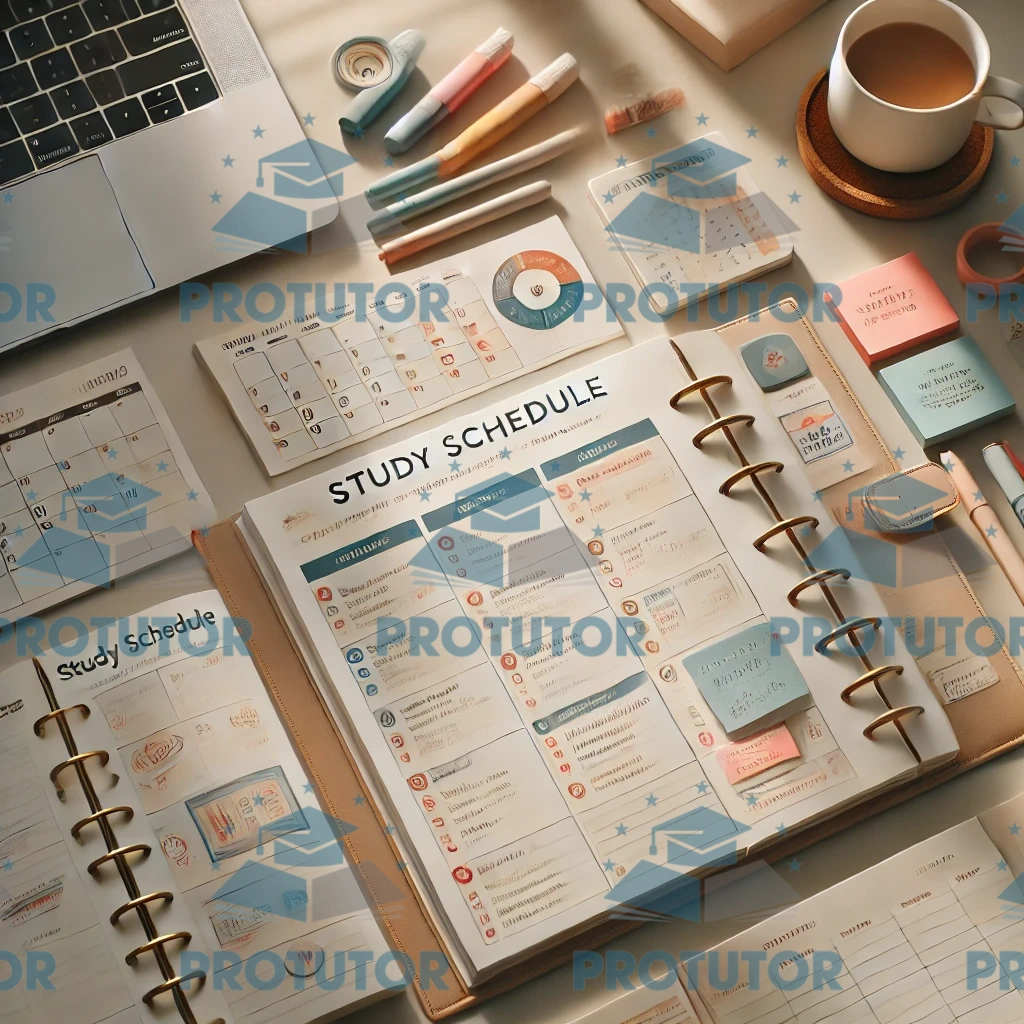
- Set Up a Study Plan: Plan study sessions that balance reviewing content with practice questions. Allocate more time for challenging topics and keep your goals clear and realistic.
2. Practice and Application: Strengthening Understanding
- Practice Past Papers: Start incorporating past paper questions into your routine. This practice helps you get familiar with the question formats, timing, and marking criteria.
- Identify Weak Spots: Review your answers to spot any recurring mistakes. Focus extra time on these areas and practice similar question types to improve accuracy.
- Use Study Techniques: Implement active recall (e.g., quizzes, flashcards) and spaced repetition to retain key information over time. This strengthens memory and makes revision more efficient.
3. Mock Exams and Intensive Revision
- Simulate Exam Conditions: Take full-length practice exams under timed conditions to replicate the exam environment. This helps you build stamina and time management skills.
- Analyze Performance: After each mock exam, review and note areas for improvement. Adjust your study sessions based on these insights.
- Refine Your Technique: Focus on refining your answers, especially for essay-based or analytical questions. Study model answers or marking schemes to understand what examiners look for.
Best Online Tutor for A-Level Success: Strategies for Chemistry, Biology, Physics, Mathematics, and More
4. Final Review and Exam Readiness
- Review Key Concepts and Notes: In this stage, consolidate your learning by focusing on summarized notes, quick reference sheets, and essential concepts.
- Tackle Weak Areas: Address any last-minute uncertainties by revisiting challenging topics and focusing on accuracy over speed.
- Manage Stress and Stay Healthy: As exams approach, ensure a balanced routine. Practice stress management techniques, like deep breathing or short breaks, to keep a clear mind.

5. Post-Exam Reflection
- Reflect on Your Exam Experience: Once exams are complete, take some time to reflect on your performance. This will help if you’re planning any future exams or next steps.
- Plan Next Steps: Whether it’s preparing for university, applying for scholarships, or planning a gap year, use this time to set your future goals based on your expected results.
Master A-Level Success with Expert Tuition in Malaysia, China, Singapore, and Hong Kong
Common Challenges in A-Level Preparation and How to Overcome Them
A-Level preparation can be overwhelming. Here are some common challenges students face and practical tips for overcoming them:
- Challenge: Difficulty grasping complex topics.
- Solution: Break down difficult topics into smaller parts and tackle them one at a time. Don’t hesitate to ask for help from teachers or peers.
- Challenge: Lack of motivation.
- Solution: Set short-term goals and reward yourself upon achieving them. Visualize the positive outcomes of doing well in A-Levels, such as university admissions or scholarships.
- Challenge: Managing stress and burnout.
- Solution: Incorporate relaxation techniques into your routine, such as deep breathing exercises or a short walk. Remember, taking breaks can actually make you more productive.
Setting Realistic Goals and Milestones for 2025 Exams
Setting realistic goals can make your study journey manageable and enjoyable. Here are some ways to set effective milestones:
- Break down your syllabus: Focus on mastering one topic each week.
- Set mini-goals: For example, complete one past paper per subject each week.
- Celebrate small wins: Each time you hit a milestone, reward yourself to stay motivated.
Top Resources and Tools for A-Level Students
Utilizing high-quality resources can make a huge difference. Here are some recommended tools and resources:
- A-Level Past Papers: Available on most educational websites.
- Online Study Platforms: Websites like BBC Bitesize, Khan Academy, and Tutor2u.
- Note-Taking Apps: Apps like Evernote and Notion help keep your notes organized and accessible.
- Flashcards: Anki and Quizlet are great tools for reinforcing your knowledge through spaced repetition.
Revision Techniques to Boost Retention
Your revision approach will shape your exam performance. Here are some techniques to make your revision more effective:
- Mind Mapping: Visualize relationships between ideas by creating mind maps.
- Summarizing Notes: Condense your notes to highlight only the most important points.
- Teaching Others: Explaining concepts to a friend or family member helps reinforce your knowledge and identify any areas of weakness.
How Personalized A-Level Tutoring Helped Me Succeed in Exams