
What is STEM and Sustainability Education?
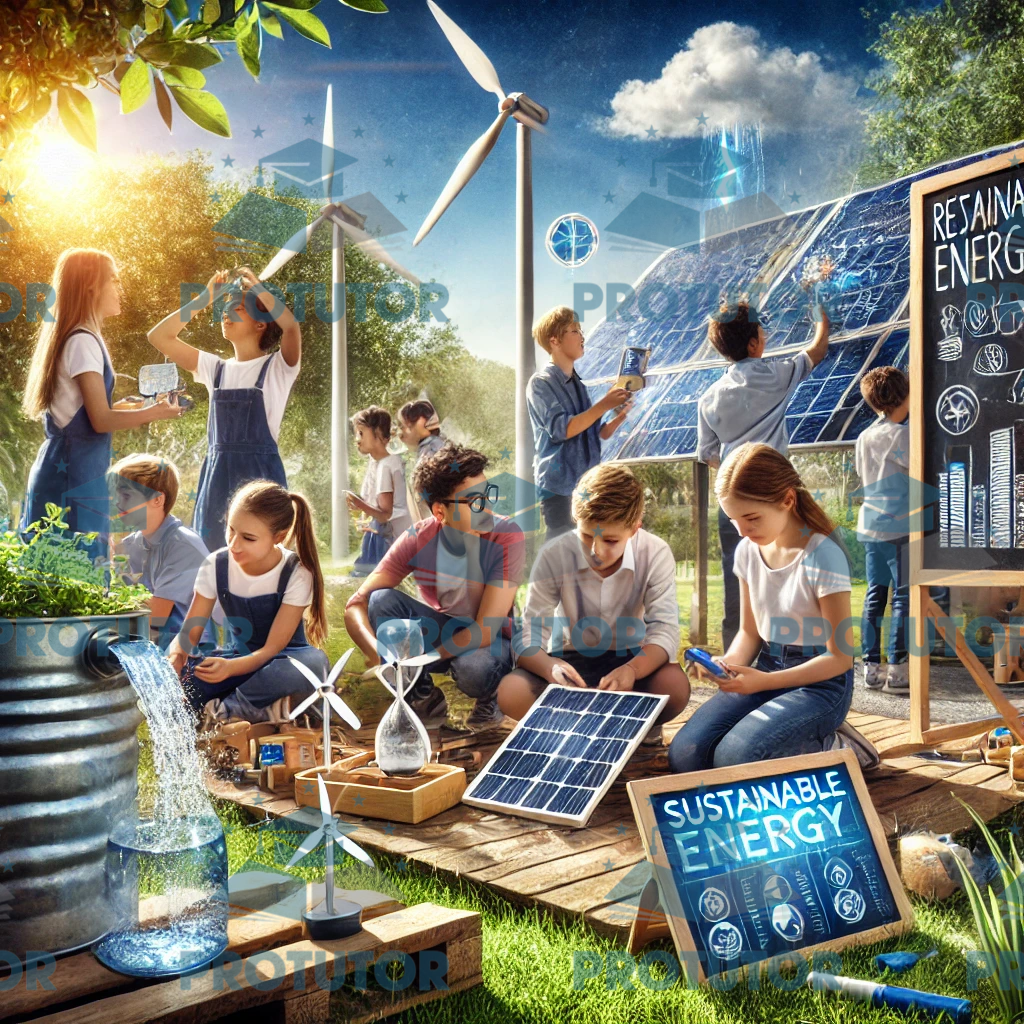
STEM education (Science, Technology, Engineering, and Mathematics) focuses on equipping students with skills and knowledge in technical disciplines essential to today’s world. On the other hand, sustainability education promotes awareness of environmental challenges like climate change and encourages students to find sustainable solutions for a greener planet. Together, these fields form a powerful combination to prepare the next generation to tackle real-world problems effectively.
Defining STEM Education and its Components
STEM emphasizes problem-solving, collaboration, and hands-on learning. Students engage with concepts from science and engineering to apply theoretical knowledge in practical ways, helping them grasp the relevance of what they learn in real life.
What Does Sustainability Education Entail?
Sustainability education promotes ecological responsibility. It teaches students to understand the environmental impact of human actions and equips them with tools to design solutions that align with sustainable living principles.
Why STEM and Sustainability Education Matter Today
STEM education intersecting with sustainability is a timely response to modern environmental challenges. This approach not only teaches students about the environment but also empowers them to become change-makers in their communities and future workplaces.
Addressing Global Climate Challenges Through Education
With climate change becoming a central issue worldwide, students need to learn how to develop innovative solutions. Sustainable STEM education introduces them to concepts such as renewable energy, pollution control, and eco-friendly technologies.
Five reasons for climate change education: Interview with Hannah Mainds, Eco literacy and Cambridge Global Perspectives IGCSE teacher at The Arbor School, Dubai
Preparing Students for Future Green Careers
The demand for green jobs is increasing rapidly. Industries like renewable energy, environmental consulting, and sustainable design require a workforce skilled in both STEM and sustainability principles. Educators play a crucial role in equipping students with the tools to enter these fields.
Examples of Successful Sustainable STEM Projects
Renewable Energy Projects by Students
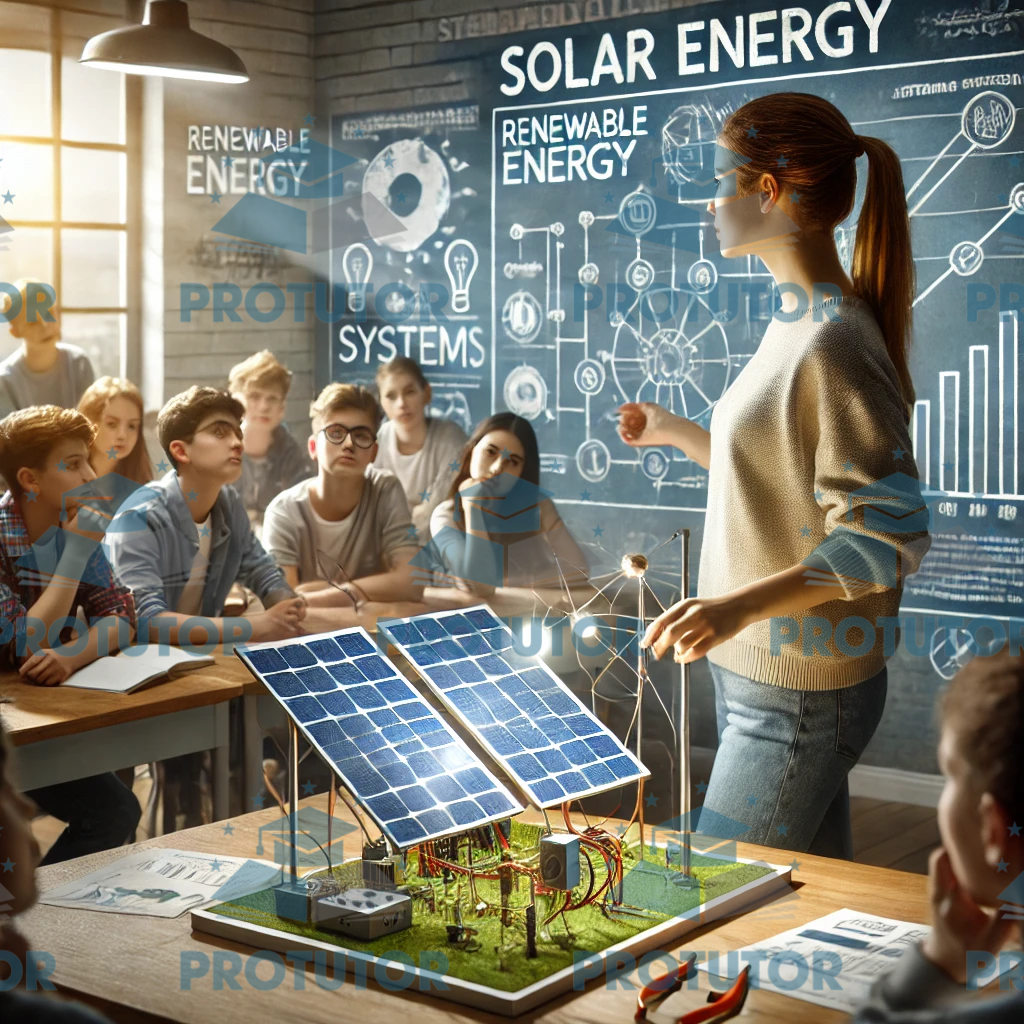
Many schools are now encouraging students to build solar-powered devices, such as water heaters and mini wind turbines. These projects allow students to engage with engineering principles while learning how renewable energy can reduce carbon footprints.
Water Conservation Programs in Schools
Students can participate in projects to monitor water usage in their schools, develop rainwater harvesting systems, or create water recycling models. Such programmes enhance awareness of the importance of water conservation.
Why Parents Should Invest in Cambridge Checkpoint Tutoring for Year 7 to Year 9
The Role of Green Technology in STEM Education
Integrating Solar Energy Systems into STEM Curriculums
Some educational institutions integrate solar panel installations into their STEM courses, allowing students to monitor energy output and learn the mechanics behind sustainable energy production.
Using AR and VR to Teach Sustainability Concepts
Augmented Reality (AR) and Virtual Reality (VR) technologies provide immersive ways to explore sustainability concepts. For example, students can use VR simulations to explore ecosystems or design eco-friendly cities, gaining hands-on experience without environmental impact.

How Educators Can Implement Sustainable STEM Projects
Building Community Partnerships for Sustainability
Collaborating with local environmental organizations and businesses helps students see the impact of their projects beyond the classroom. Community partnerships also offer additional resources and mentorship.
Tips for Designing Student-Led Green Initiatives
Teachers can guide students to identify problems in their environment and develop solutions. Whether organizing recycling programs or conducting energy audits, these initiatives promote leadership and a sense of responsibility among students.
Conclusion
The intersection of STEM and sustainability education provides an opportunity for students to engage with real-world challenges while developing essential skills. By incorporating green technology, hands-on projects, and collaborative learning, educators can empower students to create a more sustainable future. The future of education lies in preparing students not just to succeed academically but to become stewards of the environment, making a lasting impact on their communities and the world.
Top Study Habits of High Achievers in Indonesia and China